 OneUp
Perps where a loss can pay you back
Perps are leveraged trades on a price going up or down. Lose in a round the house wins, and you can get a Life NFT that collects USDC from the house’s future profit.
Live on NEAR testnet, with test money
- Rounds closed
- 497
- Life NFTs earned
- 1,183
- Paid to Life NFTs
- $5,849.84
- Life NFTs held by a new owner
- 408
Read from the testnet contracts every few minutes, in test USDC. Most trading so far is by our demo bots. Check them yourself
How it works
Pick a side
Go long if you think BTC, ETH or NEAR will rise, short if you think it will fall. Leverage, up to 1000×, multiplies the move for and against you. There are no entry or funding fees; winning trades pay 10–25% of their profit.
Lose it
Get liquidated (the price moves far enough against you that the trade is closed and what you put in is gone), or close at a loss. On most venues that’s the end of it: your loss is the house’s profit.
Get a Life NFT
If the house ends the round in profit, each wallet with a net loss gets a Life NFT, and $1UP locked for 104 rounds.
Claim it or sell it
Claim the USDC it collects, or list it on the market. Whoever holds it gets the payouts still to come.

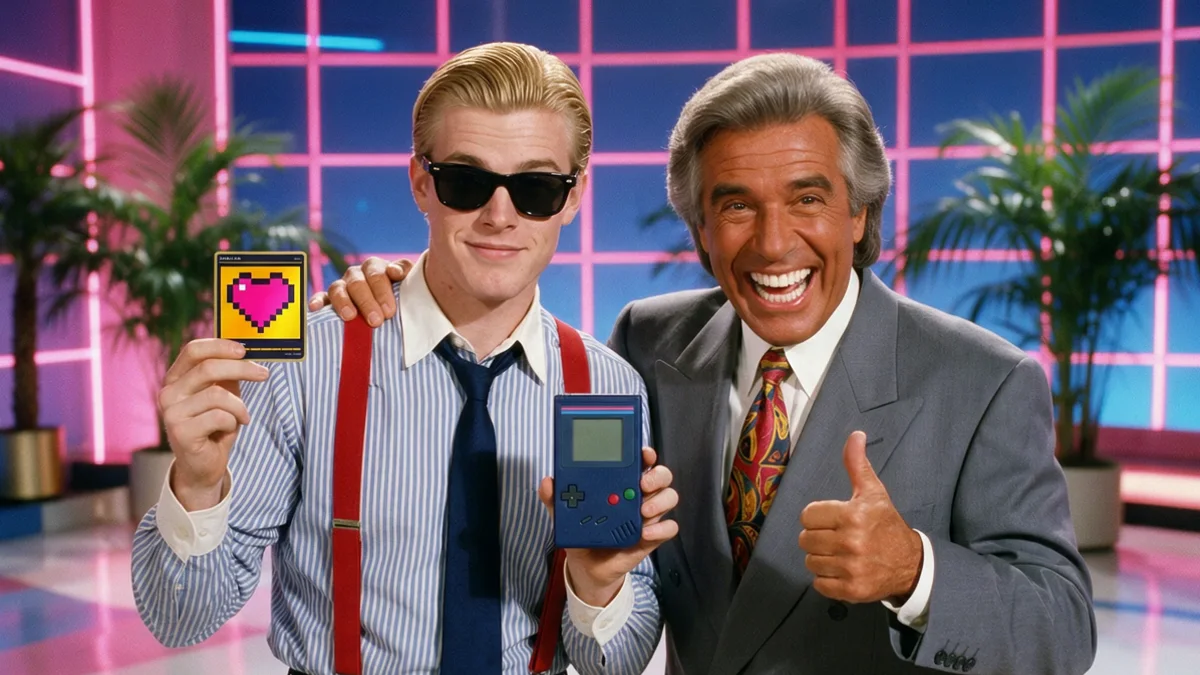


What’s in a Life NFT
- USDC as it earns
- Each round, part of the house’s profit above its reserves goes to Life NFTs. What yours collects is there to claim.
- 13 more rounds
- It keeps collecting until it has paid 1.2–2× its face value or the 13 rounds run out. Face value comes from your share of the round’s losses, and is never more than your loss.
- Yours to sell
- It’s an NFT. List it on the market, with a 2% seller fee: the buyer gets its unclaimed USDC and every payout after. A purchase names the listing the buyer saw, so if the seller claims first or changes the price, it fails and the USDC goes back.
- Its picture is its balance
- The heart fills row by row as it pays out, drawn by the contract itself. Backers who fund the house get gold ones.
Payouts depend on the house’s future profit and can be zero, even after a profitable round if the pool is below its reserves.
What NEAR does here
- On testnet
An NFT with money attached
Each Life NFT is a NEP-171 token that claims NEP-141 USDC from the house. Sell the token and the claim goes with it.
- Local demo
Deposits from other chains
With NEAR Intents, one signed intent swaps a bridged token, deposits it and requests the trade. The bridge is simulated.
- Local demo
Run by a DAO
A Sputnik DAO owns the house, the Life NFTs and the price oracle, and votes on new markets.
- Local demo
One tap, or an agent
Function-call keys and a NEP-366 relayer make trading one tap and gasless. AI agents trade through an MCP server.

On testnet: trading, Life NFTs, claims, locks and the market, owned by an operator account rather than a DAO.
Lost again? Get a life.
Try it
Open the appNo wallet needed to look around. A NEAR HACKATHON 2026 prototype on testnet: test USDC, and a mock oracle, swap and vault. The contracts haven’t been audited. Don’t use real funds.